
12 Tips For Safe And Healthy Yoga Studios
Tips for safe and healthy yoga studios are important.

Tips for safe and healthy yoga studios are important.
Whether you are a new yoga studio owner or teach yoga classes at a physical venue, you need to take care of the environment where you teach to maintain the health and safety of everyone.
Table of Contents
Tips For Safe And Healthy Yoga Studios
The following are 12 general tips for safe and healthy yoga studios. They’re everyday hygiene and safety practices, not a checklist of current legal requirements — NSW’s COVID-19 public health orders (capacity limits, the 4-square-metre rule, mandatory PPE) were rescinded years ago and no longer apply. Always check current state and local health guidance for anything mandatory.
1. Increase cleaning
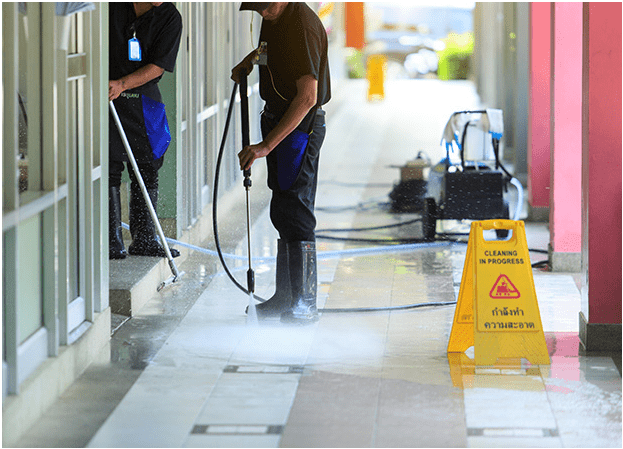
Though I know you all tend to keep your environment clean, you must enhance this activity.
This means you need to increase cleaning daily.
- Make hand sanitisers available to everyone entering your yoga studio or yoga class. Whether it’s your yoga teacher, student, or any staff member, you want to encourage them to always use sanitiser. If you cannot afford so many hand sanitisers, then the best thing to do is to keep soap and water or any other handwash to clean your hands.
- Secondly, avoid taking cash for bookings. An online booking system allows you to transact online for your payments; otherwise, cash should not be handled physically.
- Keep basic hygiene supplies on hand — sanitiser is worth having at reception, and gloves are a reasonable option (not a requirement) for staff cleaning shared mats or equipment between classes. Discard disposable gloves after use, and wash cloth gloves regularly with a disinfectant soap.
- At your yoga reception counter, regularly clean and disinfect telephones, keyboards, reception desks, and anything that staff or yoga students commonly touch.
- Flooring, couches, and other furniture used at yoga studios should be regularly cleaned.
- Provide clear instructions to staff and teachers on what is expected regarding hygiene and distancing practices at the facility.
- It is good practice to routinely clean frequently touched surfaces with a detergent solution and Clean general surfaces and fittings when visibly soiled and immediately after any spillage.
2. Yoga mats and props BYO policy
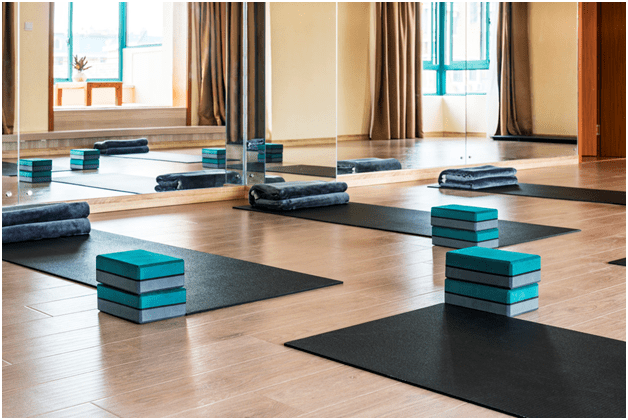
Yoga mats should be cleaned and disinfected as well.
- Encourage the Bring Your Mat policy for all students and teachers. The mats brought by students should be dust-free and cleaned thoroughly.
- The yoga mats should be covered with a towel or sheet to use as barriers if the studio provides them, so there is less chance of them getting dirty.
- You can clean the covers and sheets daily after use. This means you must clean the mats and props, vacuum them, disinfect them after each use, and allow them to dry. Remember that cleaning reduces the soil load, allowing the disinfectant to work.
- Providing antibacterial wipes to everyone at the yoga studio or fitness centre is better. You can post a sign in the washroom reminding everyone to wash their hands.
- Clean all surfaces in your studio multiple times daily and reduce the number of props. If you offer tea or water in your studio, use disposable cups or, even better, ask people to bring their own.
3. No shared equipment unless disinfected between uses
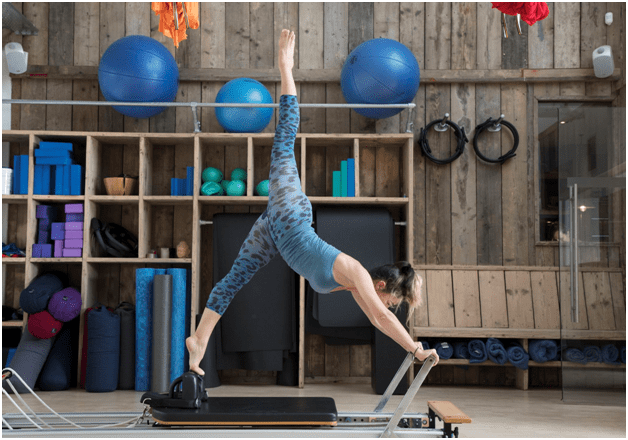
- You need to be extra safe at yoga studios, especially Pilates and fitness centres, where you need to use various equipment and handle different machines.
- Choose places where there is limited sharing of items and where any shared items are thoroughly cleaned and disinfected between uses.
- You can also choose to visit places that share, post, or announce that they have increased cleaning and disinfection to protect others.
- Ensure that all the equipment is clean and disinfected.
- Wipe down machines and equipment with disinfecting wipes and use a hand sanitiser containing at least 60% alcohol before using them.
- Do not share items that cannot be cleaned, sanitised, or disinfected between use, such as resistance bands and weightlifting belts.
- Avoid shaking hands, giving high-fives, doing elbow bumps, or touching others because close contact increases the risk of acquiring the virus.
4. Safety Measures
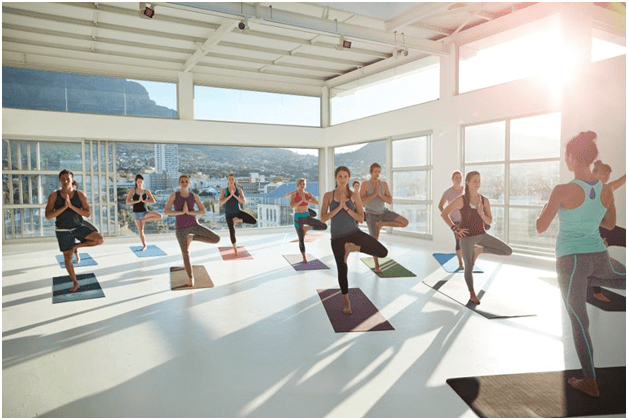
There are several safety measures to follow as per the guidelines of the NSW government:
- As the community becomes more active, you must follow the rules about gatherings, self-isolation and quarantine.
- Maintain a physical distance from others
- Practise good hand hygiene
- Stay active and healthy
- Take extra care if you’re around vulnerable people
- Get tested if you have any symptoms, even if they are only mild
- Follow NSW Health advice about staying home while waiting for test results.
Take certain precautions when handling students. Send an email to your students reminding them to stay home if they are unwell. Post a notice on the door requesting that students not enter if they are unwell. Remind students of cough and sneeze etiquette before each class. Encourage everyone to look out for each other and be understanding and kind.
Monitor reports from government organisations regularly. The information is changing daily. Also, ensure that your sick leave policies are flexible and consistent with—public health guidance.
Encourage staff to take the day off if they are sick. Communicate with your staff and keep them updated on what is happening in the studio. Also, confidentiality must be managed for those who have contracted the coronavirus.
Yoga teachers should follow certain safety measures, too. If you are not well, don’t teach, avoid touching your eyes, nose and mouth. Seek support from your friends and community, and avoid doing partner work in your classes
5. Hygiene stations
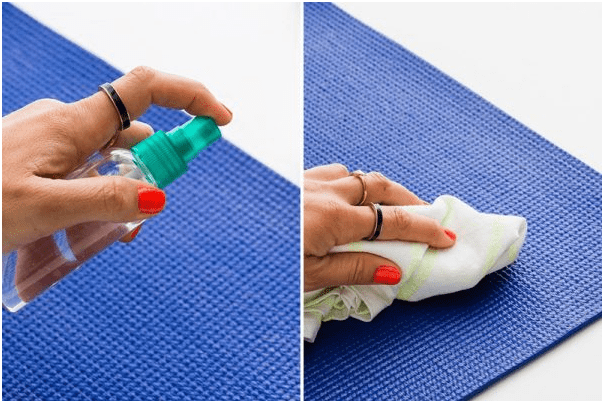
- If cleaning is necessary, have a Hygiene Station where disinfectant, paper towels, or hand sanitiser wipes are available.
- If the space has two doors and back-to-back classes, designate one —Entry— and the other —Exit— to facilitate social distancing.
- Ensure time is allocated between classes for appropriate cleaning of the teaching space. Clean the teaching space after each class, including the floors, doors, chairs, etc., used for yoga.
- Ensure staff and teachers do not attend the facility if they show flu or cold symptoms.
- Empower staff and teachers to ask yoga students not to practice if they show symptoms. Cordon off of any common areas and seating where students, staff and teachers would normally congregate.
6. Give staff basic hygiene training

As a yoga studio owner, it’s worth giving staff a quick refresher on basic hygiene practices — regular, thorough handwashing, and covering the mouth and nose with a tissue or sleeve when coughing or sneezing.
Display simple hygiene reminders around the facility, and encourage staff and students who are unwell to stay home rather than attend class.
Useful reference material includes the hygiene guidance published by Healthdirect and your state health department, aimed at general community and sporting settings.
Good general practice includes hand-washing signage for businesses and avoiding sharing drink bottles, towels, mats, or equipment without an appropriate cleaning protocol between uses.
7. Cash-free purchases

As said above, cash-free purchases should be encouraged. Avoid handling cash and coins and insist on digital or online payment modes.
Remember that coronavirus spreads via cough droplets, not from publicly handled things like cash, but cash can contain viruses as we touch it with our hands. Like clothes or shopping bags, you are holding the same goes for touching cash.
There is little and inconclusive evidence on how long the virus can last on surfaces, but it is known that this duration depends on the nature of the surface.
So, keep your coins and notes separate and avoid mixing them during the transaction. If you need to handle cash, gloves are a must.
8. Maintain distance between workout stations
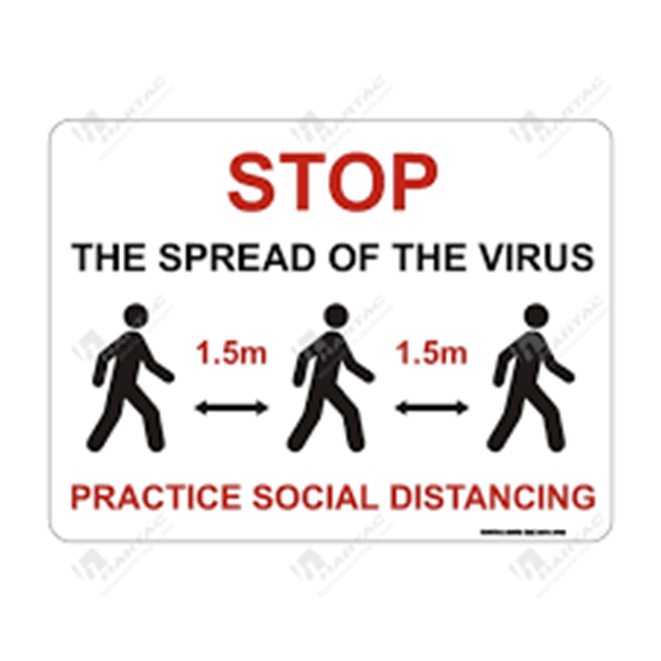
Social distancing is to be maintained at all times. Be it at your yoga studio reception counter or yoga class, you must maintain distance between workout stations.
How many people you can safely fit in a class comes down to your floor plan and fire safety/occupancy limits, not a fixed industry number — check your building’s certified occupancy rating and your public liability insurer’s requirements rather than relying on a one-size-fits-all figure.
Leave sensible space between mats. As a general rule of thumb, comfortable spacing gives each student enough room to move through poses without contact, and makes cleaning between classes easier.
Note that the specific capacity caps, the “4 square metre rule,” and other pandemic-era public health orders referenced in older versions of this guide were NSW emergency measures that have since been rescinded — they are not current law and shouldn’t be treated as ongoing requirements.
9. More signs
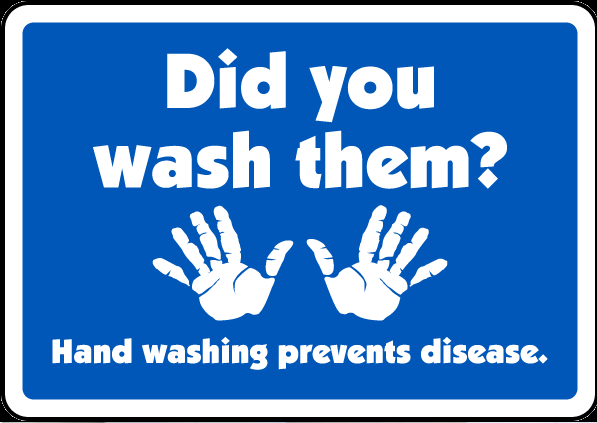
- More signs are required at your venue to remind people to adopt a safe and clean environment repeatedly.
- Provide clear instructions on what is expected regarding hygiene, distancing practices, and cough/sneeze etiquette at the facility—for example, post signs in toilets, at reception, and in the teaching space.
- All yoga students are to register attendance at each class for —contact tracking—.
- Noncontact is preferable, e.g., electronic advanced class sign-up. In washrooms and change rooms, ensure a sufficient supply of handwashing products and paper towels, with supporting signage encouraging the use of the same.
10. Additional time between classes
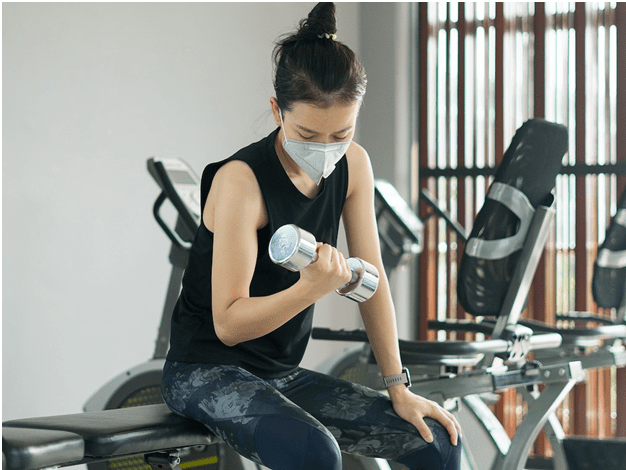
- You must ensure time is allocated between classes to clean the teaching space appropriately.
- This additional time between classes helps you clean the teaching space after each class, including the floors, doors, chairs, etc., used for yoga.
- Also, you need time as toilet rooms are to be cleaned multiple times a day, depending on student patronage, with a disinfectant cleaner, disposable paper towels, and gloves.
- Chairs used for teaching yoga need to have surfaces that can be cleaned, i.e., no fabric. This shows that you need a short group of students with more time between classes to disinfect everything in your studio.
11. Temperature checks

- Temperature checks should be regularly conducted for staff and students at your yoga studio. These checks should be undertaken right at the entrance. Temperature guns can be purchased online for temperature checks.
- Also, if any student or staff member has symptoms such as difficulty breathing, call 000 for urgent medical help. Symptoms include fever, coughing, sore throat, and shortness of breath. If you are sick and think you might have flu, check your symptoms using—HealthDirect’s Symptom Checker.
12. A Booking System in place, as turning up ad hoc could cause overcrowding
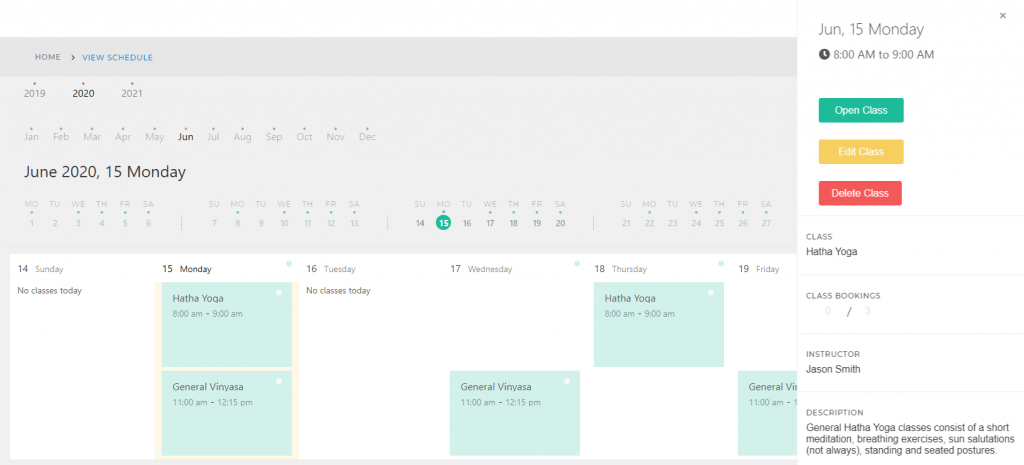
- Booking your yoga classes is mandatory. As a yoga studio owner or yoga student, you must use an online booking system to book yoga classes in advance.
- As the number of students in a single yoga class is limited, the booking system is a must. There are many of the best online booking systems, including KRIYA (CoreBookings), which caters to local studios and fitness centres in Australia.
Many studio owners have appreciated this move to make bookings mandatory. At Elixr in Bondi Junction, general manager Sue-Anne Chew said online bookings would be mandatory to manage capacity, especially for popular pilates reformer classes. According to her, whatever rules the studio adapts will allow members to return to their sanctuary as soon as possible.
Conclusion
If followed, these tips for safe and healthy yoga studios will obviously reduce the risk of students or teachers getting sick or the flu. Coronavirus is dim, but it’s not completely gone yet. Prevention is always better than cure, and so are these tips.
FAQs
Q1. Why is it important for yoga studios to prioritise safety and health?
Promoting safety and health in yoga studios is crucial to creating a welcoming environment where all can practice yoga peacefully. It also helps prevent the spread of illnesses, including contagious diseases and viruses.
Q2. What are some key practices for maintaining cleanliness in yoga studios?
Key practices include regularly cleaning and sanitising surfaces, equipment, and props, providing hand sanitisers, and promoting proper hygiene etiquette among students.
Q3. Should I still wear masks at yoga class?
No, it is unnecessary unless you have a flu, cough or cold.
Q4. How can yoga studios promote online booking and payments?
Yoga studios can promote online booking and payments through their website or mobile apps, allowing students to book online, thereby maintaining distance from contact.
Q5. Shall I train yoga studio staff on safety and health issues?
Yoga studios can provide comprehensive staff training on cleaning procedures, equipment handling, health screening, and communication with students regarding safety protocols.